Every day, millions of healthcare professionals and industrial workers are exposed to potential health hazards while performing their duties. While personal protective equipment (PPE), workplace safety protocols, and hygiene practices significantly reduce risks, they cannot eliminate the possibility of exposure to infectious diseases.
One of the most serious yet preventable occupational health risks is Hepatitis B, a viral infection that affects the liver and can lead to lifelong complications such as liver cirrhosis and liver cancer.
For organizations committed to employee safety and regulatory compliance, Hepatitis B vaccination should not be viewed as an optional health benefit—it is an essential workplace preventive measure.
This article explains why Hepatitis B vaccination is critical for healthcare and industrial workers, its benefits for employers, and how organizations can implement effective workplace vaccination programs.
What is Hepatitis B?
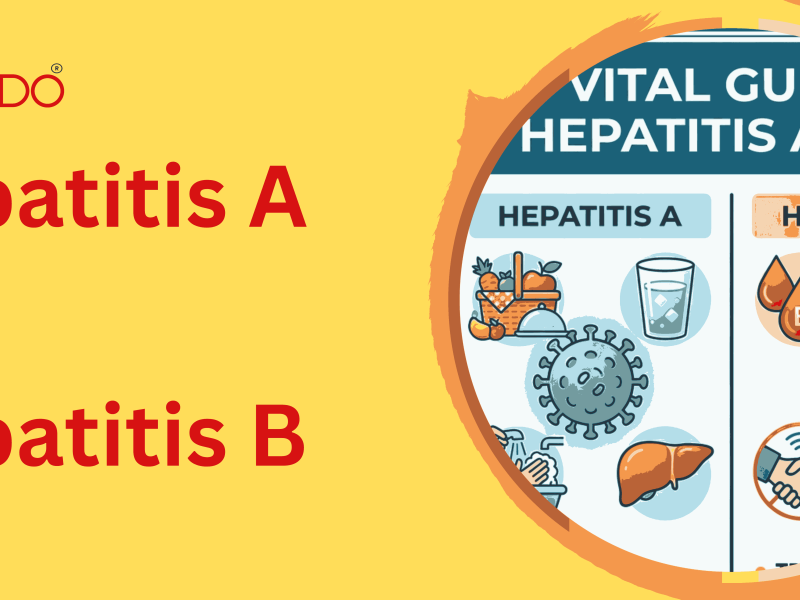
Hepatitis B is a viral infection caused by the Hepatitis B Virus (HBV) that primarily attacks the liver. While some people recover completely, others develop chronic infections that may remain undetected for years before causing severe liver damage.
The virus spreads through contact with infected blood
and certain body fluids, making occupational exposure a major concern in healthcare and several industrial settings.
Unlike many viral infections, Hepatitis B can survive outside the body for up to seven days, increasing the risk of accidental transmission through contaminated surfaces or sharp objects.
Why Industrial Workers Also Need Hepatitis B Vaccination
Many people assume Hepatitis B is only a healthcare concern. However, numerous industrial occupations involve exposure to blood, injuries, or contaminated materials.
High-risk industries include:
- Manufacturing plants
- Construction sites
- Chemical industries
- Automobile manufacturing
- Mining
- Waste management
- Metal fabrication
- Logistics and warehousing
- Food processing units
Industrial workers who frequently sustain injuries are at increased risk if proper vaccination coverage is absent.
How Hepatitis B Spreads in Workplaces
The virus is transmitted through:
- Blood-to-blood contact
- Needle-stick injuries
- Contaminated sharp instruments
- Open wounds
- Blood-contaminated surfaces
- Exposure to infected body fluids
It does not spread through:
- Handshakes
- Sharing food
- Drinking water
- Casual workplace contact
- Coughing or sneezing
Understanding these transmission routes helps employers design effective prevention strategies.
Why Vaccination Is the Best Protection
Unlike many infectious diseases, Hepatitis B has an extremely effective vaccine.
After completing the recommended vaccination schedule, most healthy adults develop long-term immunity against the virus.
Benefits include:
- Prevents infection before exposure
- Reduces occupational health risks
- Minimizes disease-related absenteeism
- Protects employees during accidental exposure
- Reduces long-term healthcare costs
- Supports workplace health compliance
Vaccination is far more effective and economical than treating chronic liver disease.
Recommended Hepatitis B Vaccination Schedule
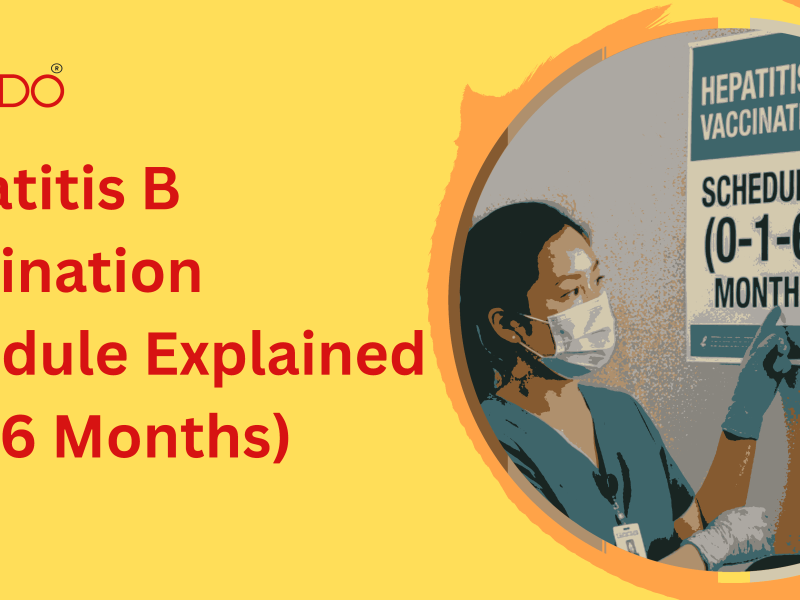
The standard vaccination schedule consists of three doses:
| Dose | Dose | Timeline |
| 0 | First Dose | Day 0 |
| 1 | Second Dose | After 1 month of first dose |
| 6 | Third Dose | After 6 months of second dose |
Some organizations also conduct antibody testing after vaccination for high-risk individuals to ensure adequate immunity
Benefits for Employers
A workplace vaccination program offers multiple business advantages beyond employee health.
1. Reduced Occupational Health Risks
Vaccinated employees are significantly less likely to contract Hepatitis B following workplace exposure.
2. Lower Medical Costs
Preventive vaccination costs are considerably lower than expenses associated with hospitalization, treatment, compensation, and long-term care.
3. Improved Productivity
Healthy employees experience fewer illness-related absences, improving workforce continuity and operational efficiency.
4. Better Compliance
Organizations implementing preventive health programs demonstrate a proactive approach toward occupational health and safety.
5. Stronger Employee Confidence
Employees value organizations that invest in preventive healthcare, leading to higher morale and improved retention.
Which Organizations Should Conduct Workplace Hepatitis B Vaccination?
Organizations that should prioritize vaccination include:
- Hospitals
- Diagnostic laboratories
- Clinics
- Ambulance service providers
- Pharmaceutical companies
- Manufacturing industries
- Engineering companies
- Construction firms
- Waste management companies
- Food manufacturing industries
- Corporate offices with occupational health programs
Best Practices for Workplace Vaccination Programs
An effective vaccination initiative should include:
- Employee risk assessment
- Vaccination awareness sessions
- Medical screening
- Onsite vaccination camps
- Certified healthcare professional
- Proper vaccine storage (cold chain maintenance)
- Digital vaccination records
- Follow-up reminders for subsequent doses
- Vaccination certificates
- Annual occupational health reviews
Common Myths About Hepatitis B Vaccination
Myth 1: Only doctors and nurses need vaccination.
Fact: Industrial workers exposed to injuries and blood contact also face occupational risk.
Myth 2: One vaccine dose is enough.
Fact: Full protection generally requires completion of all three doses.
Myth 3: Healthy adults don’t need vaccination.
Fact: Occupational exposure can happen unexpectedly, regardless of current health.
Myth 4: Hepatitis B is rare.
Fact: India continues to carry a substantial burden of Hepatitis B, making prevention through vaccination especially important for workers at risk of occupational exposure.
Preventing occupational illnesses is one of the most effective investments an organization can make in its workforce. Hepatitis B remains a serious yet vaccine preventable disease, particularly among healthcare professionals and industrial workers who face regular exposure to occupational hazards
Implementing a structured Hepatitis B vaccination program not only protects employees but also strengthens workplace safety, improves productivity, reduces healthcare costs, and demonstrates an organization’s commitment to employee well-being.
For businesses focused on creating a healthier and safer workplace, Hepatitis B vaccination is no longer optional—it is an essential component of occupational health management.
Frequently Asked Questions (FAQs)
1. Why is Hepatitis B vaccination important for healthcare workers?
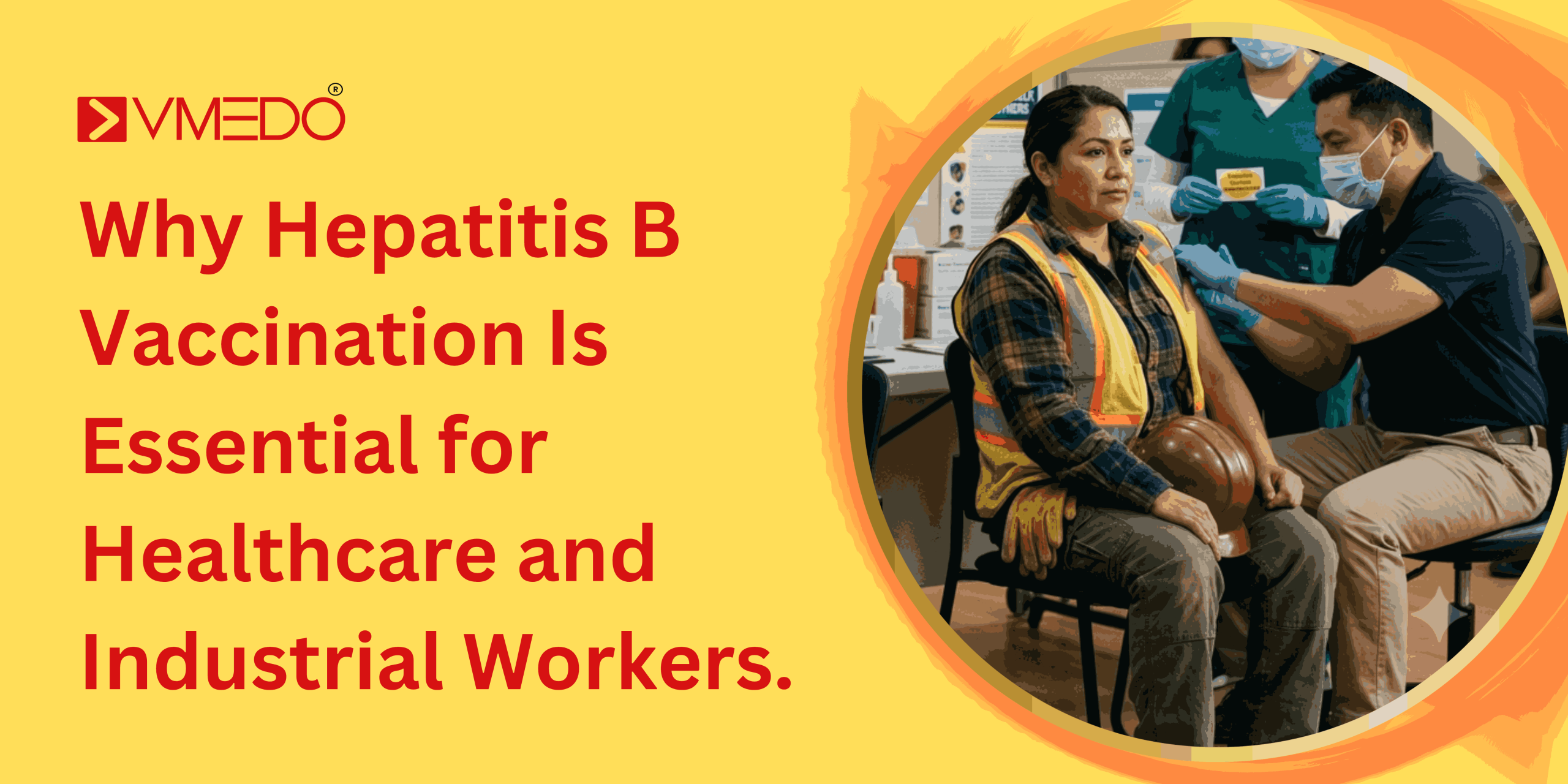
Healthcare workers are at high risk of exposure to infected blood and body fluids through needle-stick injuries, surgical procedures, and patient care. Vaccination provides effective protection against occupational infection.
2. Should industrial workers also receive the Hepatitis B vaccine?
Yes. Workers in manufacturing, construction, waste management, engineering, and other industries may experience injuries, blood exposure or exposure to contaminated material, making vaccination an important preventive measure
3. How many doses of the Hepatitis B vaccine are required?
The standard schedule includes three doses administered at 0, 1, and 6 months.
4. Can Hepatitis B vaccination be conducted at the workplace?
Yes. Organizations can arrange onsite vaccination drives to ensure convenient and efficient immunization for employees.
5. Does VMEDO conduct onsite Hepatitis B vaccination drives?
Yes. VMEDO conducts onsite Hepatitis B vaccination drives for corporates, factories, hospitals, and institutions across India.