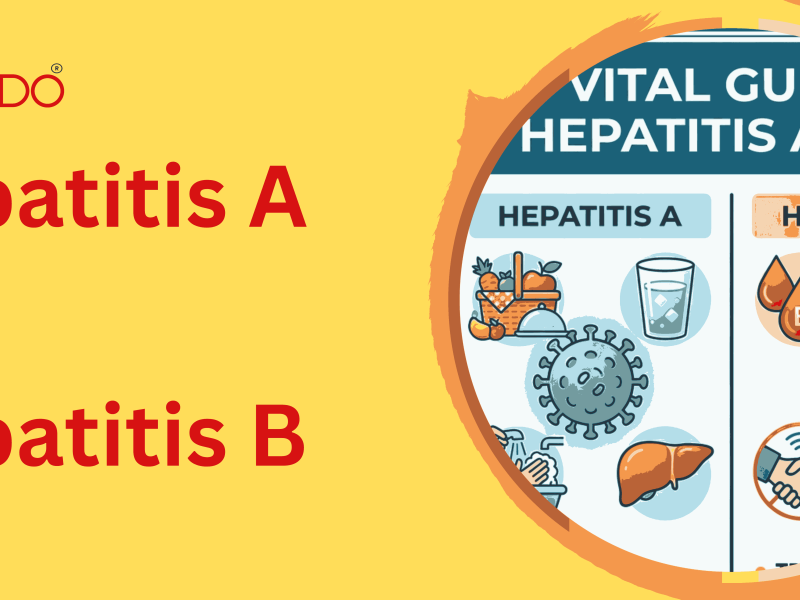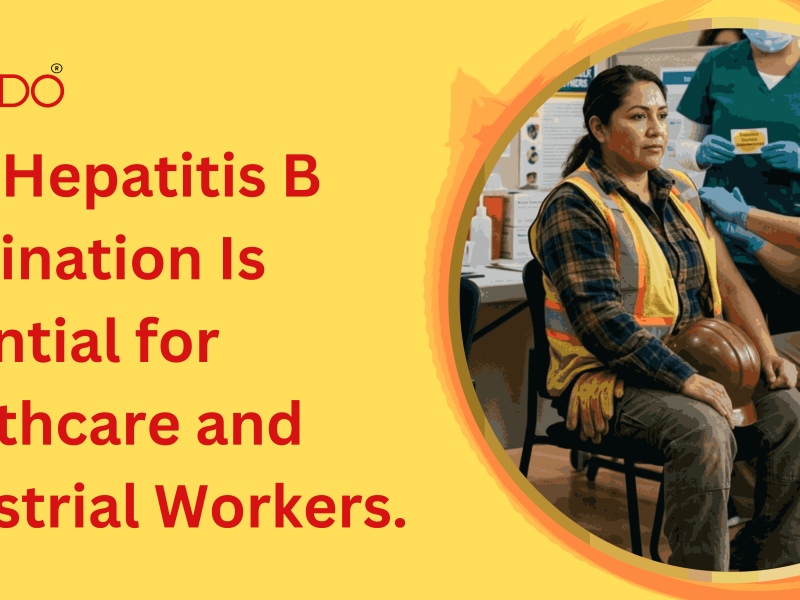
Hepatitis B is one of the most preventable infectious diseases, yet millions of people remain at risk due to incomplete vaccination. Whether you work in healthcare, manufacturing, housekeeping, laboratories, or emergency services, understanding the Hepatitis B vaccine schedule is essential.
Many people receive the first dose but fail to complete the full vaccination course, leaving them with incomplete protection. The standard 0-1-6 month schedule is designed to provide long-lasting immunity against the Hepatitis B virus (HBV).
In this guide, we’ll explain what the schedule means, why every dose matters, who should receive the vaccine, and how employers can ensure complete workplace protection.
What Is Hepatitis B?
Hepatitis B is a viral infection that attacks the liver and can lead to:
- Chronic liver disease
- Liver cirrhosis
- Liver failure
- Liver cancer
The virus spreads through:
- Blood exposure
- Needlestick injuries
- Contact with infected body fluids
- Unprotected sexual contact
- Mother-to-child transmission
In an occupational settings, healthcare workers and employees exposed to blood or bodily fluids face a significantly higher risk.
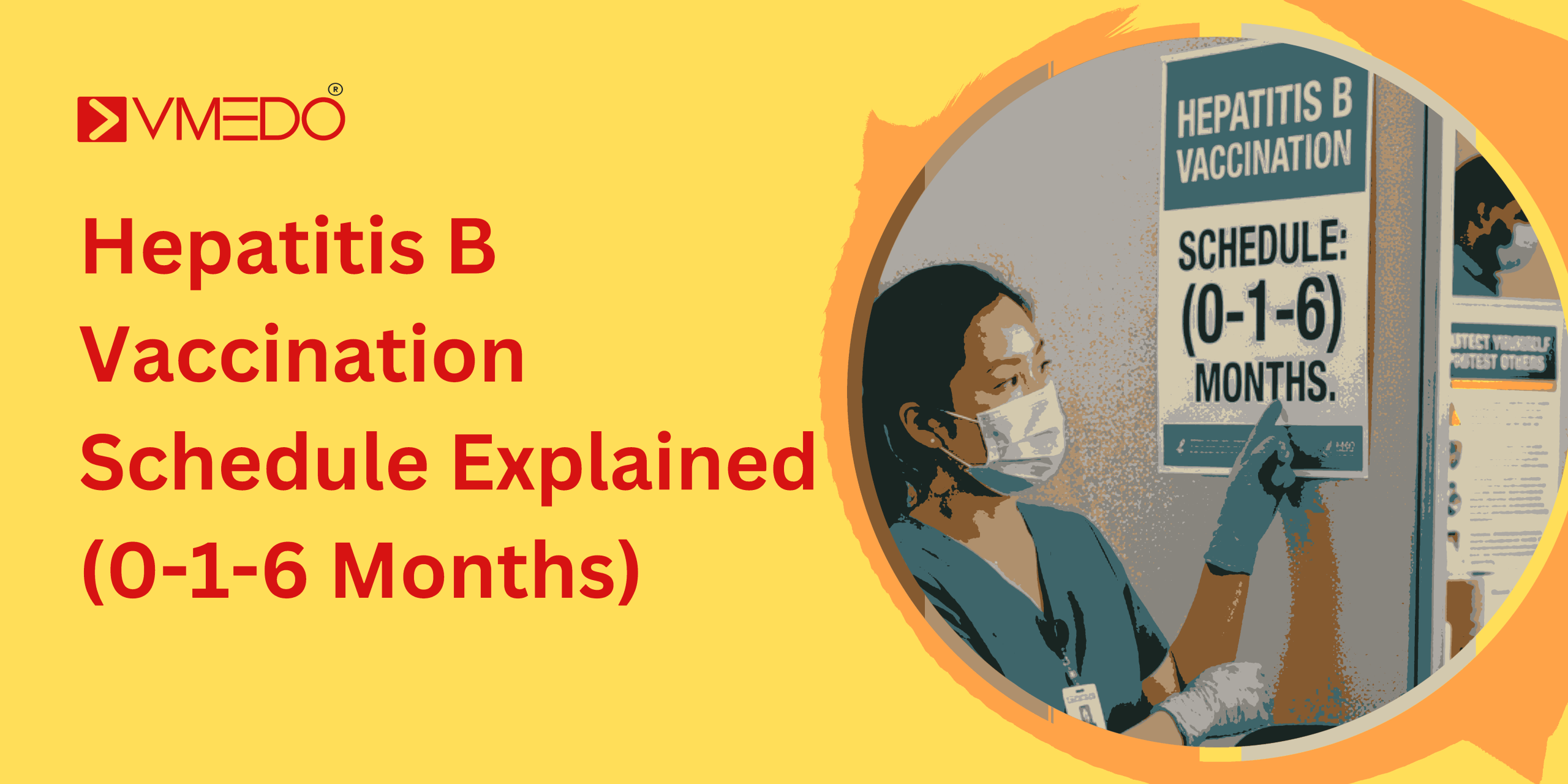
Understanding the Hepatitis B Vaccine Schedule (0-1-6 Months)
The standard vaccination schedule consists of three doses.
| Dose | Timing | Purpose |
| 0 | Day 0 | Starts immune response |
| 1 | After 1 month of dose 0 | Strengthens immunity |
| 6 | After 6 months from the first dose | Provides long-term protection |
This is commonly referred to as the 0-1-6 month schedule.
Each dose builds on the protection provided by the previous one.
Why Does the Schedule Take Six Months?
The immune system requires time to develop strong and lasting protection.
Here’s how immunity develops:
First Dose (Month 0):
The body is introduced to the vaccine and begins producing antibodies.
Protection begins but remains incomplete.
Second Dose (Month 1):
The immune response becomes much stronger.
Antibody levels increase significantly.
However, immunity is still not considered complete.
Third Dose (Month 6):
The final dose acts as a booster.
It helps the immune system develop long-term immune memory, offering durable protection that can last for decades in healthy individuals.
Skipping the third dose can reduce the duration and strength of protection.
What Happens If You Miss a Dose?
Missing a scheduled dose does not usually mean you need to restart the entire vaccination series.
Instead:
- Take the missed dose as soon as possible.
- Continue with the remaining doses according to your healthcare provider’s advice.
- Restarting the schedule is generally unnecessary in most cases.
However, completing the series without unnecessary delays provides the best protection.
How Effective Is the Hepatitis B Vaccine?
After completing all three doses:
- More than 90-95% of healthy adults develop protective immunity.
- Protection is long-lasting.
- The vaccine significantly reduces the risk of Hepatitis B infection and its complications.
People with weakened immune systems may require antibody testing after vaccination to confirm adequate protection.
Why Completing All Three Doses Matters
Many individuals mistakenly believe one or two doses are enough.
In reality:
- One dose offers limited protection.
- Two doses improve immunity but may not provide long-term protection.
- Three doses offer the highest level of durable immunity.
Completing the vaccination schedule is essential for those at occupational risk.
Who Should Receive the Hepatitis B Vaccine?
The vaccine is recommended for anyone at increased risk of exposure, especially:
- Healthcare professionals
- Nurses
- Doctors
- Laboratory personnel
- Housekeeping staff in hospitals
- Biomedical waste handlers
- Ambulance staff
- Dialysis unit employees
- Security staff working in healthcare facilities
- Industrial workers with injury risks and exposure to blood or bodly fluids
- Emergency responders
- Students in medical and nursing colleges
Many organizations now include Hepatitis B vaccination as part of employee onboarding and occupational health programs.
Why Employers Should Ensure Complete Vaccination
Workplace vaccination is an important preventive health measure.
Organizations benefit through:
Improved Employee Safety
Vaccinated employees are better protected against occupational exposure
Reduced Absenteeism
Preventing infections helps reduce sick leave and productivity losses.
Better Workplace Compliance
Occupational health initiatives demonstrate an organization’s commitment to employee wellbeing and workplace safety.
Stronger Health Culture
Vaccination programs encourage preventive healthcare and improve employee confidence.
Can Hepatitis B Vaccination Be Conducted at the Workplace?
Yes.
Organizations can arrange onsite Hepatitis B vaccination drives, allowing employees to receive all required doses conveniently at the workplace.
- An organized vaccination program typically includes:
- Employee registration
- Medical screening
- Vaccine administration by qualified healthcare professionals
- Batch and vaccine documentation
- Digital vaccination records
- Follow-up reminders for the second and third doses
- Vaccination certificates
This helps improve completion rates and reduces missed doses.
Tips to Complete the Vaccine Schedule
Employees should:
- Save the vaccination card.
- Set reminders for upcoming doses.
- Inform HR if changing work locations.
- Avoid delaying scheduled booster vaccine doses.
- Keep vaccination records safely.
Employers can further improve compliance by sending automated reminders before each scheduled dose.
Common Myths About the Hepatitis B Vaccine
Myth 1: One dose is enough.
Fact: Three doses are required for complete and long-lasting protection.
Myth 2: If I miss a dose, I must restart.
Fact: In most cases, you simply continue from where you stopped.
Myth 3: Healthy adults don’t need vaccination.
Fact: Anyone at occupational risk should receive the vaccine.
Myth 4: The vaccine can cause Hepatitis B.
Fact: The vaccine does not contain live virus and cannot cause Hepatitis B infection.
The 0-1-6 month Hepatitis B vaccine schedule is a simple yet highly effective way to protect individuals against a potentially life-threatening liver infection. Completing all three doses is essential for developing strong, long-lasting immunity.
For organizations, implementing workplace vaccination programs not only safeguards employees but also strengthens occupational health initiatives, reduces health risks, and promotes a safer work environment. Ensuring that employees complete the full vaccination schedule is an investment in both workforce wellbeing and business continuity.
Frequently Asked Questions (FAQs)
1. What does the 0-1-6 month Hepatitis B vaccine schedule mean?
It means the vaccine is administered in three doses: the first dose on Day 0, the second dose one month later, and the third dose six months after the first dose.
2. Is it necessary to take all three doses?
Yes. Completing all three doses provides the strongest and longest-lasting protection against Hepatitis B.
3. What if I miss my second or third dose?
You should take the missed dose as soon as possible. In most cases, there is no need to restart the vaccination series.
4. Who should receive the Hepatitis B vaccine?
Healthcare workers, laboratory personnel, industrial workers, housekeeping staff, emergency responders, and anyone at occupational risk should receive the vaccine.
5. Does VMEDO conduct onsite Hepatitis B vaccination drives?
Yes. VMEDO organizes onsite Hepatitis B vaccination drives for corporates, hospitals, educational institutions, and industrial organizations, including employee registration, vaccine administration, documentation, and follow-up reminders for subsequent doses.