Employee health is one of the strongest pillars of workplace productivity. While organizations invest significantly in safety measures, periodic health checkups, and wellness initiatives, vaccination remains one of the most effective preventive healthcare interventions.
Among vaccine-preventable diseases, Hepatitis A and Hepatitis B are often misunderstood because both affect the liver. However, they differ significantly in how they spread, who is at risk, the severity of infection, and workplace implications.
For employers planning corporate vaccination programs, understanding these differences is essential for protecting employees while reducing absenteeism and occupational health risks.
In this guide, we explain the differences between Hepatitis A and Hepatitis B and help organizations determine which vaccine is appropriate for different workforce groups.
What is Hepatitis?
Hepatitis refers to inflammation of the liver, usually caused by viral infections. The five major hepatitis viruses are A, B, C, D, and E.
Among them:
- Hepatitis A usually causes acute illness and does not become chronic.
- Hepatitis B can become a chronic infection, leading to long-term liver damage if left untreated.
Although both diseases affect the liver, their transmission, prevention strategies, and vaccination recommendations are very different.
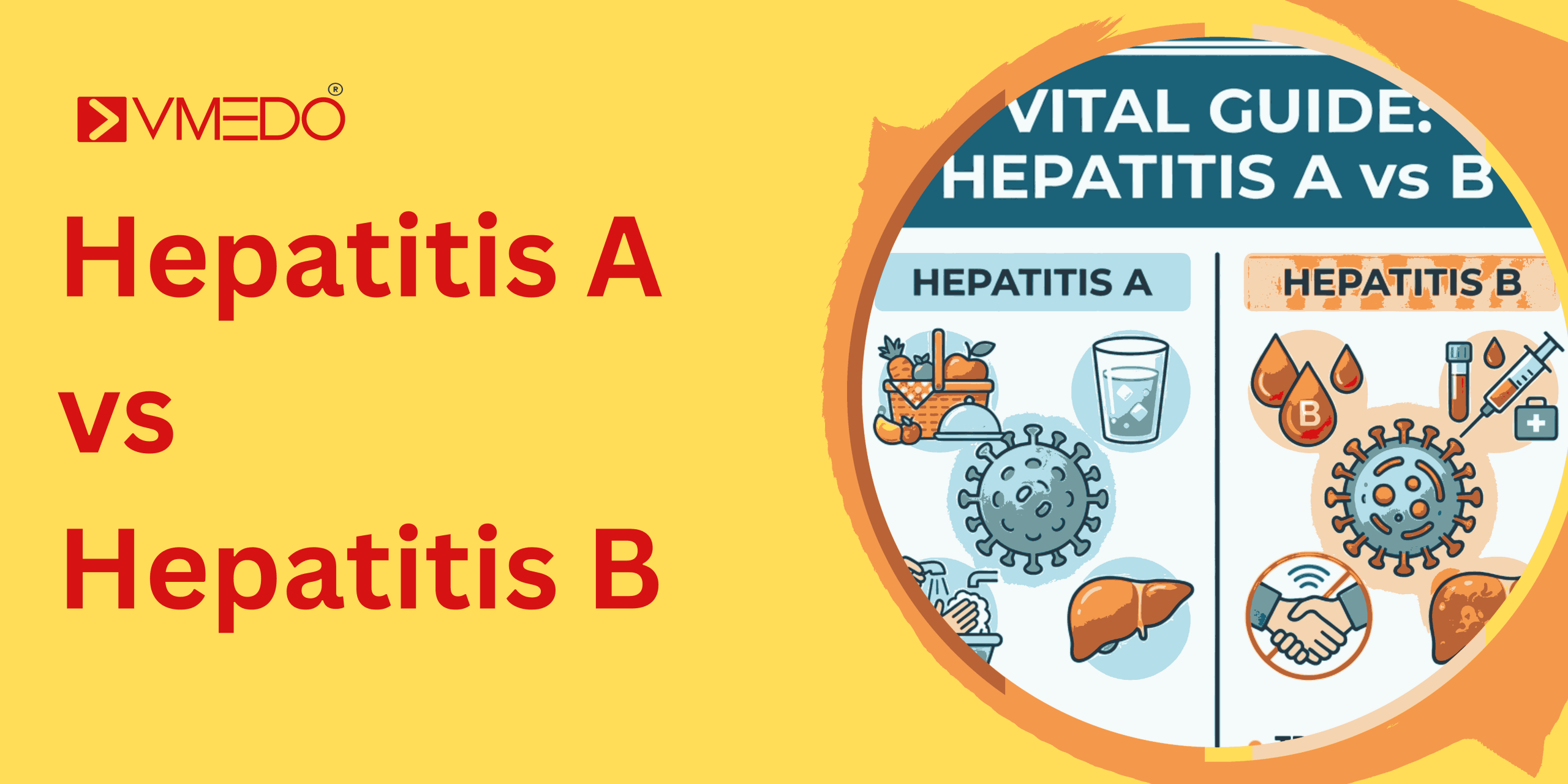
Hepatitis A vs Hepatitis B: Quick Comparison
| Feature | Hepatitis A | Hepatitis B |
| Virus Type | HAV | HBV |
| Spread Through | Contaminated food and water | Blood and body fluids |
| Chronic Infection | No | Yes |
| Vaccine Available | Yes | Yes |
| Occupational Risk | Food handling, sanitation | Healthcare, laboratories, emergency responders |
| Severity | Usually mild to moderate | Can become lifelong |
| Vaccine Schedule | 2 doses | 3 doses (0-1-6 months) |
Understanding Hepatitis A
How Hepatitis A Spreads
Hepatitis A spreads primarily through the fecal-oral route, meaning people become infected by consuming contaminated food or water or through poor hand hygiene.
Outbreaks are more likely where:
- Food hygiene is inadequate
- Sanitation systems are poor
- Safe drinking water is unavailable
- Large groups share dining facilities
Symptoms of Hepatitis A
Many adults experience:
- Fever
- Fatigue
- Nausea
- Vomiting
- Loss of appetite
- Abdominal discomfort
- Dark urine
- Yellowing of skin and eyes (jaundice)
Most people recover completely within a few weeks to months without developing chronic liver disease.
Employees Who May Need Hepatitis A Vaccination
Organizations should consider Hepatitis A vaccination for employees such as:
- Food handlers
- Catering staff
- Hospitality workers
- Housekeeping personnel
- Sanitation workers
- Waste management staff
- Employees working in remote project sites
- International travelers to high-risk regions
Understanding Hepatitis B
Unlike Hepatitis A, Hepatitis B is a blood-borne viral infection and poses a much greater occupational health concern.
How Hepatitis B Spreads
The virus spreads through exposure to infected blood and body fluids.
Common occupational exposure includes:
- Needle-stick injuries
- Blood splashes
- Contact with contaminated medical equipment
- Exposure during emergency response
- Laboratory specimen handling
It can also spread through sexual contact and from mother to child during childbirth.
Why Hepatitis B Is More Serious
Hepatitis B may become chronic.
Long-term complications include:
- Chronic hepatitis
- Liver cirrhosis
- Liver failure
- Liver cancer
Because infected individuals may remain asymptomatic for years, workplace vaccination becomes especially important for high-risk occupations.
Employees Who Should Receive Hepatitis B Vaccination
Employers should prioritize Hepatitis B vaccination for:
- Doctors
- Nurses
- Laboratory technicians
- Dialysis staff
- Dentists
- Paramedics
- First aid responders
- Biomedical waste handlers
- Industrial health center staff
- Emergency medical personnel
- Employees exposed to blood or sharp instruments
Many organizations also include Hepatitis B vaccination as part of employee onboarding for healthcare and manufacturing sectors.
Hepatitis A Vaccine Schedule
The Hepatitis A vaccine generally consists of:
- First Dose
- Second Dose after 6–12 months (depending on the vaccine brand)
Two doses provide long-term protection for most individuals.
Hepatitis B Vaccine Schedule
The standard adult vaccination schedule is:
- Dose 1 – Day 0
- Dose 2 – After 1 month
- Dose 3 – After 6 months
This 0-1-6 month schedule provides long-lasting immunity in most healthy adults.
For healthcare workers and other high-risk employees, organizations may also recommend post-vaccination antibody testing (Anti-HBs titre) to confirm protective immunity.
Can Employees Receive Both Vaccines?
Yes.
Employees can safely receive both Hepatitis A and Hepatitis B vaccines if recommended by their healthcare provider.
For organizations with diverse workforce risks, combined vaccination strategies may be appropriate depending on employee roles and exposure levels.
Workplace Risk Assessment: Which Vaccine Does Your Organization Need?
Different industries have different occupational exposure risks.
| Industry | Hepatitis A | Hepatitis B |
| Hospitals | Moderate | High |
| Clinics | Moderate | High |
| Laboratories | Low | High |
| Pharmaceutical Manufacturing | Low | High |
| Food Processing | High | Moderate |
| Hotels & Catering | High | Low |
| Waste Management | High | Moderate |
| Construction Camps | Moderate | Low |
| Schools | Moderate | Low |
| Corporate Offices | Low | Low |
A workplace risk assessment helps employers identify which employee groups require vaccination based on job responsibilities and exposure potential.
Benefits of Corporate Hepatitis Vaccination Programs
Organizations that implement workplace vaccination programs can achieve several benefits:
- Reduced risk of disease outbreaks
- Lower absenteeism
- Improved employee wellbeing
- Better business continuity
- Enhanced occupational health compliance
- Increased employee confidence in workplace safety
- Stronger employer brand
Vaccination programs are particularly valuable in industries where employee exposure to biological hazards is higher.
Best Practices for Employers
A successful workplace vaccination program should include:
- Occupational risk assessment
- Employee awareness sessions
- Vaccination records management
- Timely follow-up doses
- Qualified healthcare professionals for administration
- Emergency preparedness during vaccination
- Annual review of occupational vaccination requirements
Integrating vaccination into the organization’s occupational health strategy helps create a healthier and safer workforce.
Why Choose VMEDO for Workplace Vaccination?
Our services include:
- Onsite vaccination drives
- Pre-vaccination health assessment
- Qualified doctors and nurses
- Vaccine cold-chain management
- Digital vaccination records
- Employee reminders for subsequent doses
- Corporate health reports
- End-to-end vaccination program management
Whether you are a hospital, manufacturing unit, corporate office, educational institution, or industrial facility, VMEDO can customize vaccination programs based on your workforce risk profile.
Although Hepatitis A and Hepatitis B both affect the liver, they differ significantly in transmission, severity, and workplace relevance.
For organizations, the decision is not simply choosing one vaccine over the other—it is about understanding employee risk and implementing the right preventive strategy.
By incorporating occupational vaccination into workplace health programs, employers can protect employees, minimize operational disruptions, and foster a safer, healthier work environment.
Partnering with an experienced occupational health provider like VMEDO ensures that vaccination programs are professionally planned, safely delivered, and aligned with your organization’s needs.
FAQs: Hepatitis A vs Hepatitis B
1. Is Hepatitis A more dangerous than Hepatitis B?
Hepatitis A usually causes a short-term illness and does not become chronic. Hepatitis B can lead to chronic liver disease and serious long-term complications if left untreated.
2. Who should receive the Hepatitis B vaccine at work?
Healthcare professionals, laboratory staff, emergency responders, first aiders, biomedical waste handlers, and others at risk of exposure to blood or body fluids should be vaccinated.
3. Does every employee need both vaccines?
No. Vaccination requirements depend on occupational exposure and workplace risk assessment. Employers should determine vaccine recommendations based on employee roles.
4. Can organizations conduct onsite vaccination drives?
Yes. Onsite vaccination drives allow organizations to vaccinate employees conveniently while minimizing disruption to daily operations.
5. Does VMEDO conduct onsite Hepatitis vaccination drives?
Yes. VMEDO organizes end-to-end onsite Hepatitis A and Hepatitis B vaccination drives for corporates, healthcare institutions, manufacturing facilities, educational organizations, and other workplaces across India.